

How does mosaic terrazzo perform in seismic areas?
Jan 14, 2026
Leave a message
Hey there! I'm a supplier of mosaic terrazzo, and I've been getting a lot of questions lately about how our product performs in seismic areas. So, I thought I'd take a few minutes to share some insights on this topic.
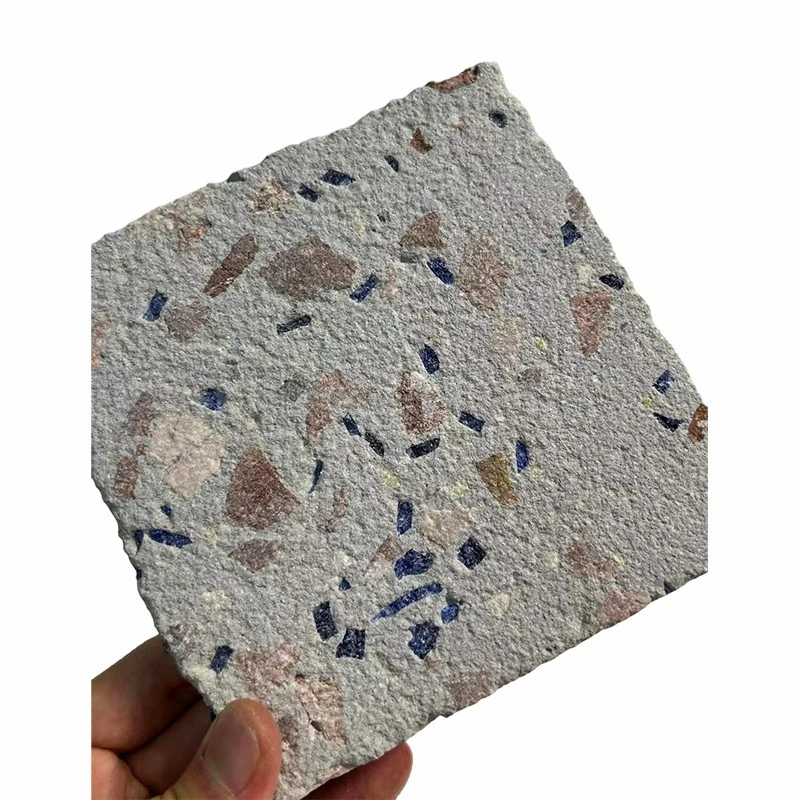
First off, let's talk about what mosaic terrazzo is. It's a composite material made up of chips of marble, quartz, granite, or glass, set in a cement or resin matrix. The chips are arranged in a pattern, creating a beautiful and unique surface. Mosaic terrazzo is known for its durability, strength, and aesthetic appeal, making it a popular choice for a variety of applications, including flooring, countertops, and wall cladding.
Now, let's get to the main question: how does mosaic terrazzo perform in seismic areas? Well, the short answer is that it performs pretty well. Here's why:
1. Strength and Durability
Mosaic terrazzo is a very strong and durable material. The chips of marble, quartz, granite, or glass are held together by a cement or resin matrix, which gives the terrazzo its strength. This means that it can withstand a lot of wear and tear, as well as the forces generated by earthquakes.
In addition, mosaic terrazzo is resistant to cracking and chipping. This is because the chips are randomly arranged, which helps to distribute the stress evenly across the surface. So, even if an earthquake causes some movement in the ground, the terrazzo is less likely to crack or chip than other types of flooring.
2. Flexibility
Another advantage of mosaic terrazzo is its flexibility. Unlike some other types of flooring, such as ceramic tile, terrazzo can flex slightly without cracking. This is because the cement or resin matrix allows the chips to move slightly in relation to each other.
In a seismic area, this flexibility can be a real asset. When an earthquake occurs, the ground can move and shift in different directions. If the flooring is too rigid, it can crack or break under the stress. But because mosaic terrazzo is flexible, it can adapt to the movement of the ground and reduce the risk of damage.
3. Installation
The way that mosaic terrazzo is installed can also affect its performance in seismic areas. When installing terrazzo, it's important to use a flexible adhesive and to leave expansion joints between the tiles. This allows the terrazzo to move slightly without cracking or breaking.
In addition, the subfloor should be properly prepared before installing the terrazzo. This means making sure that it is level, clean, and free of any cracks or defects. A good subfloor will provide a stable base for the terrazzo and help to reduce the risk of damage during an earthquake.
4. Maintenance
Proper maintenance is also important for ensuring the performance of mosaic terrazzo in seismic areas. Regular cleaning and sealing can help to protect the terrazzo from damage and keep it looking its best.
In addition, it's important to inspect the terrazzo regularly for any signs of damage, such as cracks or chips. If any damage is found, it should be repaired as soon as possible to prevent it from getting worse.
Special Surface Processing
We also offer some special surface processing options for our mosaic terrazzo, which can enhance its performance and appearance. For example, Acid-Washed Terrazzo gives the terrazzo a unique, aged look, while also improving its slip resistance. Shotblasted Terrazzo creates a rough, textured surface that is ideal for high-traffic areas. And Travertine Terrazzo mimics the look of natural travertine, adding a touch of elegance to any space.
Conclusion
In conclusion, mosaic terrazzo is a great choice for seismic areas. Its strength, durability, flexibility, and proper installation and maintenance make it a reliable and long-lasting flooring option. Whether you're building a new home or renovating an existing one, consider using mosaic terrazzo for your flooring needs.
If you're interested in learning more about our mosaic terrazzo products or have any questions about how they perform in seismic areas, please don't hesitate to contact us. We'd be happy to discuss your project and help you find the right solution for your needs. Let's start a conversation and see how we can work together to make your space beautiful and functional.

References
- "Seismic Design of Buildings" by the American Society of Civil Engineers
- "Terrazzo: A Comprehensive Guide" by the Terrazzo Association of America